Mastering the Social Media Ad Banner for Impact
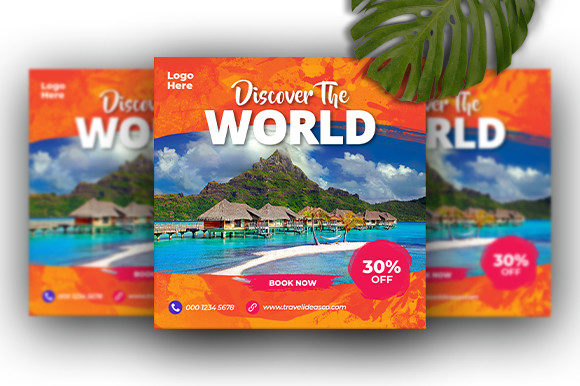
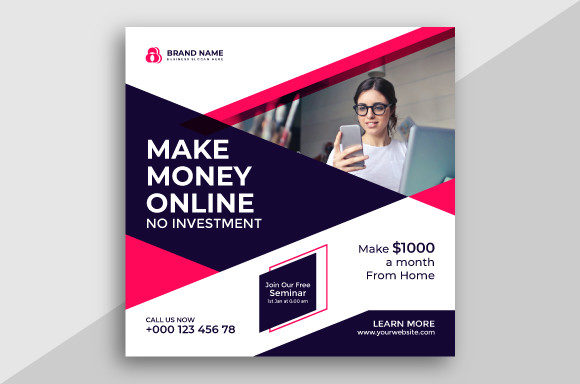
In the relentless scroll of modern feeds, stopping power is the only currency that matters. A Social Media Ad Banner isn't just a rectangle of pixels; it is a strategic interruption designed to capture attention, convey a message, and drive action within seconds. When these banners are built on a foundation of crisp vector graphics, they transcend the limitations of standard raster images, offering a level of clarity and scalability that defines professional brand identity. Whether you are a seasoned graphic designer, a startup founder, or a content creator looking to elevate your game, understanding the mechanics behind high-quality banner design is essential.
The visual personality of a top-tier ad banner lies in its precision. Unlike photos that can become muddy when resized, vector-based designs maintain their sharp edges and vibrant colors regardless of the display size. This is why files created in Adobe Illustrator are the industry gold standard. The style is often clean, modern, and purposeful, avoiding unnecessary clutter that distracts from the core message. The appeal comes from confidence; a well-constructed banner tells the audience that the brand behind it pays attention to details. It feels intentional rather than accidental, projecting a sense of reliability and professionalism that static, low-resolution JPEGs simply cannot achieve.
Versatility Across Digital and Print Landscapes
The true strength of a vector-based Social Media Ad Banner design is its chameleon-like ability to adapt across various mediums. While the primary use case is obviously digital—spanning Facebook headers, Instagram stories, LinkedIn sponsored posts, and YouTube thumbnails—the utility extends far beyond the screen. Because the source file is typically an AI Illustrator CC or EPS CC format, the design elements can be infinitely scaled without losing quality. This makes the same asset perfect for packaging design, large-format trade show banners, or even high-end editorial design layouts where crisp lines are non-negotiable.
For entrepreneurs and small business owners, this versatility translates to cost efficiency and brand consistency. You aren't just buying a single image for a Tuesday promotion; you are acquiring a flexible design asset that can be repurposed. Need a logo for your website header? The vector elements are ready. Creating a brochure for a local event? The graphics scale up effortlessly. This cross-platform functionality ensures that your modern typography and visual motifs remain consistent whether a customer sees you on a smartphone or holds a printed flyer in their hand. It bridges the gap between web design and physical presence, creating a cohesive narrative around your products or services.
Furthermore, the inclusion of high-resolution PNG files alongside the editable vector sources means you have immediate usability for those who may not have access to professional design software, while retaining full creative control for future iterations. This dual approach supports a wide range of users, from hobbyists crafting invitations to marketers launching complex multi-channel campaigns.
Enhancing Readability and Visual Hierarchy
At the heart of any effective communication tool is readability. In the context of a Social Media Ad Banner, text must be legible instantly, often on small mobile screens where users are scrolling rapidly. Vector-based design allows for precise manipulation of typeface weights, kerning, and leading, ensuring that your message cuts through the noise. When you utilize a premium font or a distinct display font within your vector layout, you establish a clear visual hierarchy. The most important information pops, secondary details support it, and the call-to-action stands out unmistakably.
This structural clarity directly influences brand perception. A messy, hard-to-read banner suggests a disorganized business, whereas a clean, well-typeset graphic implies competence. Whether you choose a bold sans serif font for a tech startup vibe, a classic serif font for luxury goods, or a playful handwritten font for a lifestyle blog, the vector environment ensures that every curve and stroke renders perfectly. This attention to typographic detail fosters trust. Audience engagement rises when the viewer doesn't have to squint to understand the offer; the path from seeing the ad to clicking the link becomes frictionless.
Moreover, consistency in typography across your social media graphics builds recognition. Over time, your audience begins to associate specific font styles and color palettes with your brand, much like recognizing a friend's voice in a crowded room. This psychological connection is vital for long-term growth and is best achieved through the rigorous standards that vector design facilitates.
Practical Guidance for Selection and Implementation
Choosing the right Social Media Ad Banner template or starting a custom design requires a strategic mindset. It is not merely about picking something that looks "cool." You must evaluate how the design fits your specific project goals. If your brand identity relies on warmth and approachability, a rigid, geometric layout might feel cold. Conversely, a chaotic script font might undermine the authority of a financial consulting firm. Always review the included styles in your AI or EPS files to ensure they align with your brand's voice.
When testing font pairings, remember that less is often more. A strong creative font for headlines paired with a neutral body text usually yields the best results. Avoid the temptation to use too many different typefaces, which can dilute the impact. Before finalizing any design, test its readability at actual size. Zoom out until the image is the size of a phone screen; if you can't read the main hook, it needs adjustment. This simple step saves countless impressions lost to illegibility.
Licensing is another critical factor, especially for commercial ventures. Ensure that any commercial font or design asset you use, including the JPG files and vector sources, comes with the appropriate rights for your intended use. Whether you are designing for a client or your own business, respecting intellectual property protects you from legal headaches down the road. Most professional packages include clear licensing terms, but it never hurts to double-check.
- Evaluate Project Fit: Does the visual style match your current marketing campaign's tone?
- Test Font Pairings: Ensure your headline and body text complement rather than compete with each other.
- Check Readability: Verify legibility on both desktop monitors and mobile devices.
- Review Included Styles: Make sure the AI and EPS files contain the layers and fonts you need for editing.
- Confirm Licensing: Validate that the assets are cleared for commercial use in your specific industry.
Ultimately, investing in high-quality, vector-based Social Media Ad Banner designs is an investment in your brand's future. It provides the flexibility to adapt, the clarity to communicate, and the professionalism to convert. By leveraging tools like Adobe Illustrator and understanding the nuances of logo design and typography, you equip yourself with the resources needed to stand out in an increasingly crowded digital landscape. The result is not just a pretty picture, but a powerful tool for business growth.