Mastering Your Event Presence with a Conference Social Media Post Banner
In the fast-paced world of event marketing, first impressions are often digital. Before an attendee ever steps foot in a convention center or logs into a virtual lobby, they have likely scrolled past your event on LinkedIn, Instagram, or Facebook. This is where a Conference Social Media Post Banner becomes more than just a graphic; it transforms into a critical piece of communication infrastructure. It is the digital handshake that tells potential attendees whether your summit is worth their time, money, and attention.
Think about the last time you decided to register for a professional development event. Chances are, it wasn't a block of text in an email that convinced you. It was likely a visual cue—a sleek design, bold typography, or a compelling image that signaled professionalism and excitement. A well-crafted banner template serves exactly this purpose. It bridges the gap between a raw idea for a conference and a polished brand experience that resonates with your target audience.
Why Visual Consistency Matters for Business Summits
When organizing a business conference or an annual summit, consistency is key to building trust. If your website looks modern but your social media posts look dated or mismatched, it creates cognitive dissonance for the viewer. They might question the quality of the speakers or the value of the networking opportunities. Using a dedicated Conference Social Media Post Banner template ensures that every post you share aligns with your broader brand identity.
Consider the scenario of a tech startup hosting its inaugural developer summit. The audience is discerning, looking for cutting-edge insights. A generic, poorly designed graphic suggests a lack of attention to detail. Conversely, a clean, eye-catchy professional banner signals that the organizers respect the attendee's time and have invested in a high-quality experience. This psychological trigger is subtle but powerful. It sets the tone before a single ticket is sold.
Real-World Scenarios Where These Templates Shine
The utility of a versatile banner template extends far beyond the initial "Save the Date" post. In fact, limiting its use to just one announcement is a missed opportunity. Let's explore how different industries and roles can leverage these assets throughout the event lifecycle.
- The Speaker Announcement: When you secure a high-profile keynote speaker, you need to broadcast this news immediately. A template allows you to swap out the background image and text in minutes, maintaining brand consistency while highlighting the new star attraction. This agility keeps your feed fresh and engaging.
- Early Bird Countdowns: Urgency drives conversions. As registration deadlines approach, you need a series of graphics counting down the days. Having a fully editable PSD file means you can quickly update the numbers and color accents to reflect the changing timeline without starting from scratch.
- Live Event Updates: During the conference itself, social media managers are often scrambling to capture moments. A pre-designed template structure allows them to drop in photos of the crowd or speakers and add quick captions like "Day 1 Highlights" or "Networking Now," ensuring real-time content still looks polished.
- Post-Event Recap: The marketing doesn't stop when the lights go out. Sharing success metrics, photo galleries, and thank-you messages using the same visual language helps cement the event's legacy and builds anticipation for next year.
Tailoring the Message for Different Audiences
One size rarely fits all, even with templates. The beauty of a fully editable template lies in its adaptability to different segments of your audience. A financial services summit targeting C-suite executives will require a different aesthetic than a creative industry meetup for freelancers.
For corporate audiences, the focus should be on clarity, authority, and data. You might choose a template layout that emphasizes bold, sans-serif fonts and a restrained color palette, perhaps leveraging the RGB color settings to match specific corporate branding guidelines. The imagery should be professional, perhaps featuring abstract business concepts or high-quality shots of previous networking sessions.
On the other hand, if you are promoting a design or marketing conference, the same template structure can be tweaked to be more vibrant. You can experiment with dynamic colors, overlay textures, or more playful typography. The underlying grid remains the same—ensuring readability and balance—but the skin changes to match the vibe of the community you are trying to attract. This flexibility is crucial for marketers who manage multiple events or diverse client portfolios.
Practical Considerations Before You Start Designing
While the promise of "easy to edit" is appealing, there are practical factors to consider before diving into Photoshop. First, understand the technical specifications. Most social platforms favor square formats (1080x1080 pixels) for feed posts because they occupy the most screen real estate on mobile devices. Ensuring your template is set to 72 DPI and RGB Color mode is non-negotiable for digital clarity. Printing specs won't work here; you need files optimized for screens.
Another critical consideration is image licensing. Many templates, including high-quality ones, do not include the photos used in the preview mockups. This is a standard industry practice to protect intellectual property. Before finalizing your banner, you must source your own images. Whether you use stock photography from sites like Unsplash or Pexels, or original photos from your team, ensure they are high-resolution. A blurry image can ruin an otherwise perfect layout. Also, check the font licenses. While many templates use free fonts, it is always wise to verify that the specific typeface is cleared for commercial use, especially if the conference is a paid, for-profit event.
Maximizing Efficiency with Organized Files
Time is the most scarce resource for event planners. A well-organized PSD file is a lifesaver. When layers are named logically and grouped effectively, you aren't hunting for the text layer buried under twenty adjustment masks. You can jump in, change the date, update the venue, and export the new version in seconds. This efficiency allows you to A/B test different headlines or visuals without spending hours on production.
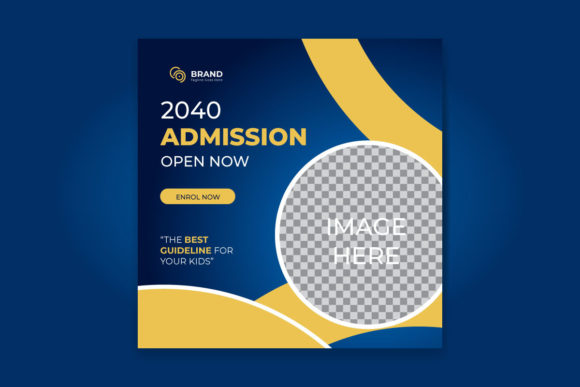
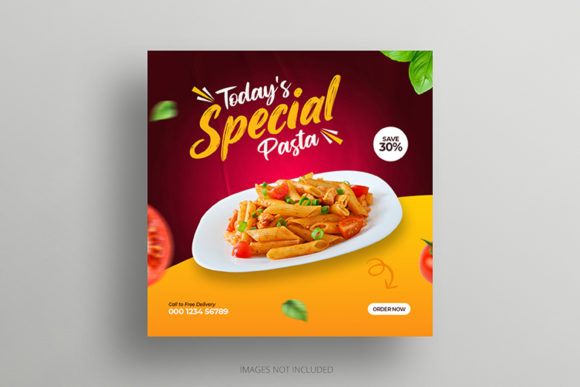
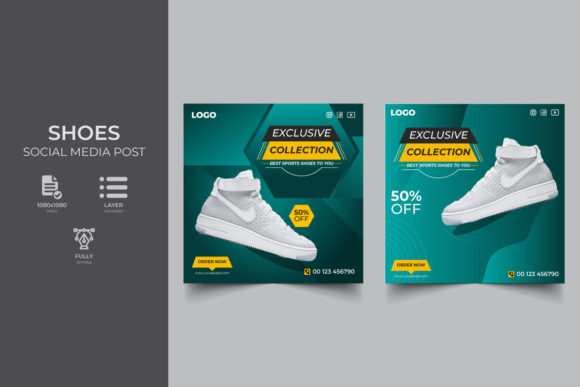
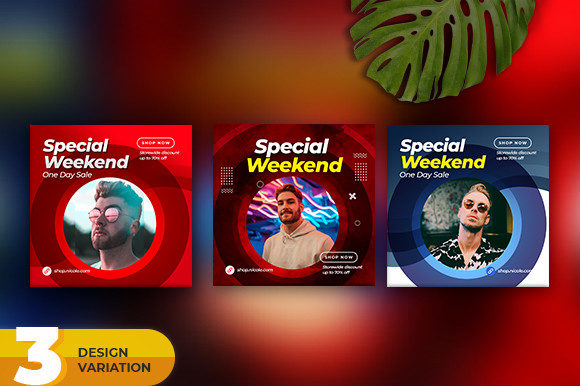
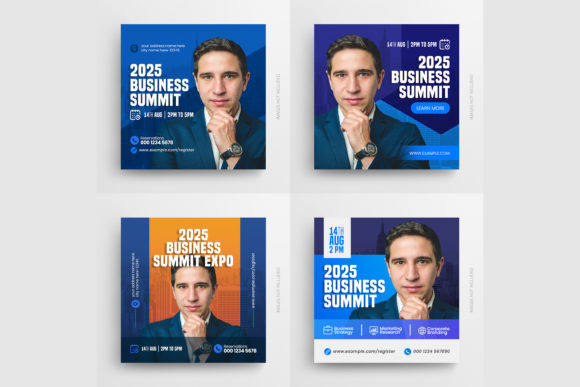
Furthermore, having access to multiple file variations (often included in premium packs as 4 PSD files) gives you options. You might have one version optimized for Instagram, another for LinkedIn carousels, and a third for Twitter headers. This variety ensures your campaign looks cohesive across all channels without requiring a designer to build each asset from the ground up.
Overcoming Common Limitations
No tool is without its limitations. A static banner template, while powerful, cannot replace video content entirely. In an era where Reels and TikToks dominate, relying solely on static images might limit your reach. The best strategy is to use the Conference Social Media Post Banner as a foundational element. Use the color schemes, fonts, and logo placements from your static banners to create motion graphics or video overlays. This creates a unified brand experience where the static posts anchor the campaign, and the video content drives engagement.
Additionally, be wary of over-customization. Just because you can change every color and shape doesn't mean you should. Straying too far from the original design logic of the template can result in a cluttered, unprofessional look. The templates are designed by professionals with an eye for balance and hierarchy. Trust the layout. Make necessary branding adjustments, but preserve the structural integrity that makes the design effective in the first place.
Ultimately, investing in a high-quality, editable banner template is an investment in your event's perceived value. It empowers your team to communicate clearly, react quickly to news, and maintain a professional standard that attracts the right attendees. Whether you are a solo organizer or part of a large marketing agency, these tools provide the scaffolding needed to build a successful, visible, and memorable conference presence.