Honoring Memory with Purpose: The Power of Abstract Patriot Day Backgrounds in Modern Design
In the landscape of digital and print media, few dates carry as much emotional weight and historical significance as September 11. For designers, marketers, educators, and community leaders, the challenge lies in creating visual communications that honor the gravity of Patriot Day without resorting to clichés or insensitive imagery. This is where the concept of an Abstract Patriot Day Background becomes not just a design asset, but a vital tool for respectful storytelling. By moving away from literal depictions of tragedy and toward symbolic, abstract representations, creators can craft messages that resonate deeply while maintaining a tone of dignity and remembrance.
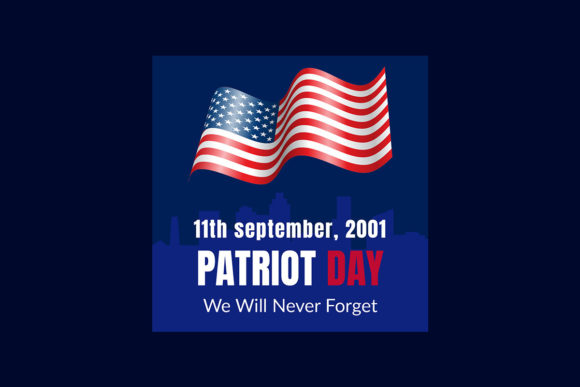
The shift toward abstract design elements in commemorative materials reflects a broader evolution in how we process collective memory. In the early years following 2001, visuals were often direct and raw. Today, two decades later, the focus has shifted to legacy, resilience, and the enduring spirit of unity. An abstract background featuring subtle gradients of red, white, and blue, or a stylized interpretation of the American flag, allows the viewer to project their own reflections onto the canvas. It creates space for the message—whether it is a "Never Forget" slogan, a community event invitation, or a corporate statement of solidarity—to take center stage without visual clutter.
The Evolution of Commemorative Design Trends
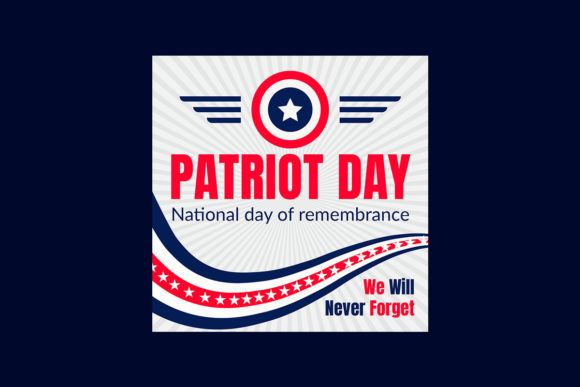
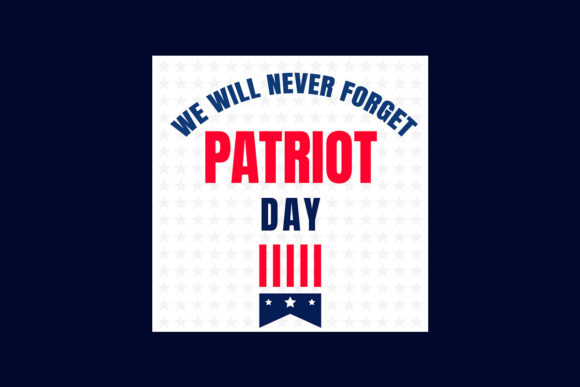
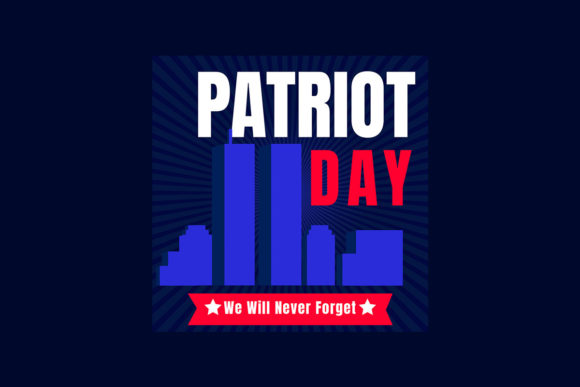
Design trends are rarely static; they evolve alongside cultural sentiments. Currently, there is a marked preference for minimalism and sophistication in patriotic designs. The modern audience, accustomed to clean interfaces and high-quality aesthetics, responds better to compositions that balance emotion with professional polish. A 9/11 USA Patriot Day Banner or poster that utilizes a black background with strategic accents of red and blue offers a somber yet powerful aesthetic. This color psychology is intentional: black conveys mourning and seriousness, while the vibrant national colors symbolize hope and continuity.
Furthermore, the demand for versatility has never been higher. A single design asset often needs to function across multiple platforms—from a large format banner at a veterans' ceremony to a digital greeting card shared on social media, or even a brochure detailing a memorial service schedule. This is why fully editable templates have become indispensable. Professionals need the flexibility to adapt a core visual identity to various formats without losing quality or coherence. The ability to customize text, adjust ribbon placements, or modify label styles ensures that the final output feels bespoke rather than generic.
The integration of realistic elements, such as a textured ribbon or a vector-based badge, adds a layer of tactile authenticity to digital files. When these elements are placed against an abstract American flag background, the result is a composition that feels both grounded and elevated. It bridges the gap between traditional patriotism and contemporary graphic design standards, appealing to a demographic that values both heritage and modernity.
Practical Applications for Professionals and Creators
For freelancers and small business owners, time is a critical resource. Sourcing high-quality, legally safe assets that align with specific thematic requirements can be time-consuming. Accessing a comprehensive package that includes a Veterans Day Badge, patriotic labels, and cohesive background vectors streamlines the workflow significantly. Instead of building a design from scratch, a creator can start with a robust foundation—a PSD, AI, EPS, or PDF file—and focus their energy on crafting the narrative.
Consider a local non-profit organizing a blood drive in memory of first responders. They require a brochure that informs the public while evoking a sense of duty. Using a template with a pre-designed abstract background allows them to insert their specific logistics quickly. Similarly, a school administrator preparing an assembly presentation can utilize these vectors to create slides that are visually engaging for students without being overly graphic. The availability of free icons and fonts within these packages further reduces barriers to entry, ensuring that even those with limited design budgets can produce professional-grade materials.
The technical specifications of these files matter immensely in a professional context. Vector formats like AI and EPS ensure that banners can be scaled to any size—from a small handout to a massive stadium display—without pixelation. Raster formats like PSD offer layer control for detailed photo manipulation. Having access to a help file that explains font usage and customization options empowers users to maximize the potential of the template, reducing the learning curve and preventing common design errors.
Meeting User Expectations in a Digital-First World
We live in an era where visual content is consumed rapidly. Whether on a smartphone screen or a printed flyer, the initial impression must be immediate and impactful. An abstract approach works exceptionally well here because it communicates mood instantly. The interplay of light and shadow in a realistic label, combined with the solemnity of a dark background, signals respect before a single word is read. This aligns with current user expectations for clarity and emotional intelligence in design.
Moreover, the trend toward personalization means that one-size-fits-all solutions are less effective. Organizations want to tailor their messaging to their specific communities. A template that is "easy to customize" is not just a feature; it is a necessity. It allows a fire department to highlight their fallen heroes specifically, while a corporate entity might focus on themes of national resilience and employee safety. The underlying abstract background remains constant, providing brand consistency, while the foreground elements tell the unique story.
It is also worth noting the importance of accessibility in design. High-contrast combinations, such as white or bright red text against a black or deep blue background, improve readability for all audiences, including those with visual impairments. Thoughtful design choices in these templates ensure that the message of remembrance is inclusive and reachable by everyone.
Navigating the Balance of Emotion and Aesthetics
Creating content for Patriot Day requires a delicate touch. There is a fine line between honoring the past and exploiting tragedy for aesthetic gain. Abstract backgrounds help navigate this terrain by focusing on symbolism rather than sensationalism. A ribbon, a badge, or a stylized flag serves as a metaphor for service and sacrifice, allowing the viewer to engage with the history intellectually and emotionally without being overwhelmed by graphic realism.
This approach also future-proofs the design. While specific photographs may date a piece or limit its reuse, abstract elements remain timeless. A well-crafted vector illustration of a patriotic badge can be used year after year, adapting slightly to fit new campaigns while retaining its core identity. This sustainability in design is crucial for organizations that maintain long-term commemorative initiatives.
For the modern creator, understanding the nuance of these elements is key. It involves recognizing that the "blue and red label with ribbon" is not merely decorative; it is a visual shorthand for honor. The "black background" is not just a stylistic choice; it is a container for grief and reflection. When these components are assembled with intention, the resulting Patriot Day USA Poster or banner becomes a powerful medium for connection.
Final Thoughts on Respectful Representation
As we continue to mark September 11th, the way we visualize this day matters. The move toward abstract, versatile, and high-quality design resources reflects a mature understanding of how to keep memory alive in a changing world. For professionals tasked with creating these tributes, having access to reliable, editable, and aesthetically sound templates is invaluable. It allows them to focus on what truly counts: the message of unity, the acknowledgment of loss, and the celebration of the human spirit.
Whether you are designing a greeting card for a family member who served, a social media campaign for a national charity, or an internal memo for a government agency, the right visual foundation sets the tone. By leveraging tools that combine realistic details with abstract depth, we ensure that the phrase "Never Forget" is not just seen, but felt. In a marketplace saturated with generic graphics, choosing a thoughtful, well-constructed design demonstrates a commitment to quality and a deep respect for the history we share.
Ultimately, the goal of any commemorative design is to facilitate reflection and foster community. When executed with care, using the right blend of color, form, and typography, these visual assets do more than fill space—they honor a legacy. As technology advances and design tools become more sophisticated, let us use them to create works that are not only visually stunning but also profoundly meaningful, ensuring that the stories of September 11, 2001, continue to be told with the dignity they deserve.