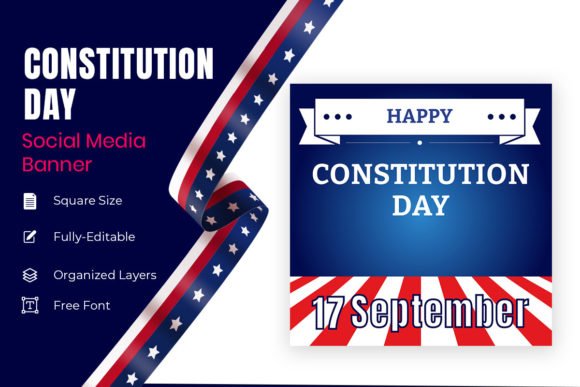
United States Constitution Day: Sept 17 Guide
Every year on September 17, the United States pauses to honor a document that has shaped the nation's legal and cultural landscape for over two centuries. United States Constitution Day, also known as Citizenship Day, marks the anniversary of the signing of the U.S. Constitution in 1787. While the historical significance is universal, the way different people engage with this day varies widely. For some, it is a moment for deep civic reflection; for others, it is a critical deadline for marketing campaigns, educational projects, or creative design work.
Understanding the multifaceted nature of this observance helps everyone—from students to seasoned entrepreneurs—approach the day with purpose. Whether you are looking to educate a classroom, promote a brand, or simply celebrate your citizenship, the resources and strategies you choose will depend heavily on your specific goals and skill level.
Why September 17 Matters to Different Audiences
The relevance of Constitution Day shifts depending on who you are and what you hope to achieve. A historian might focus on the ratification process, while a graphic designer focuses on visual representation. Here is how various groups interpret and utilize this national observance:
- Educators and Schools: For teachers, this is a mandatory teaching moment. Federal law requires educational institutions receiving federal funds to hold an educational program on the Constitution for students. The priority here is clarity and engagement. Educators need materials that simplify complex legal concepts for young minds without losing accuracy.
- Small Business Owners and Marketers: Entrepreneurs often see this date as an opportunity to connect with their community. A local bakery might offer discounts to citizens, while a marketing agency might run a social media campaign highlighting American values. Their primary concerns are speed, cost-effectiveness, and brand alignment.
- Creative Professionals and Designers: Graphic designers and freelancers are often tasked with creating posters, banners, and flyers for events. They evaluate resources based on flexibility and quality. Can the template be easily customized? Does it support high-resolution printing? Is the file format compatible with their software?
- Civic Organizations and Non-Profits: Groups hosting naturalization ceremonies or town halls need materials that convey dignity and patriotism. Reliability and professional presentation are paramount for these audiences.
Navigating Design Resources for Constitution Day
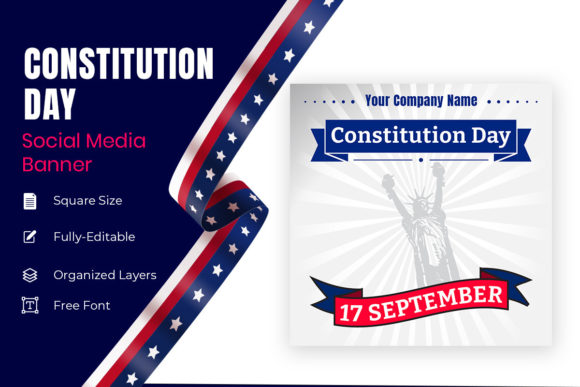
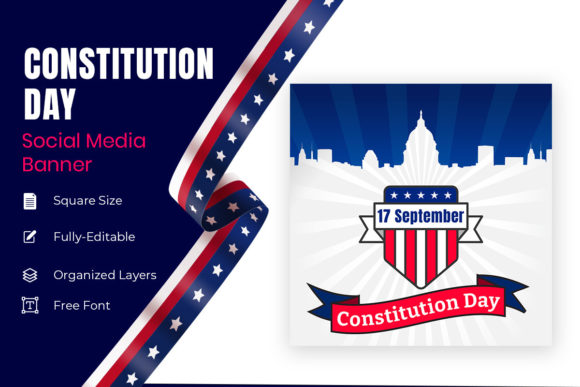
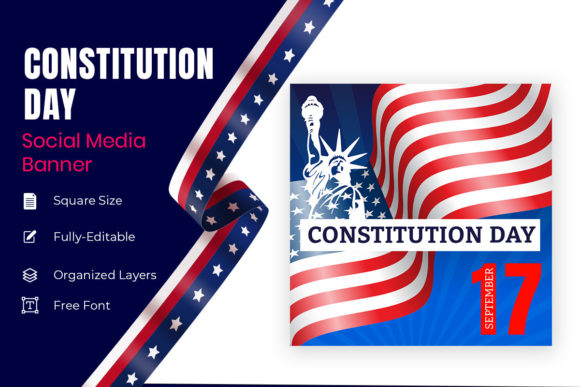
For those tasked with creating visual content—such as banners, flyers, or digital posters—the choice of design assets can make or break a project. Many creators turn to pre-made templates featuring patriotic themes, such as American star backgrounds or blue and red brush strokes, to save time while maintaining a professional look.
When evaluating a design template for Constitution Day, consider the following factors based on your experience level:
For Beginners and Hobbyists
If you are new to design software like Adobe Photoshop or Illustrator, your top priority should be ease of use. Look for templates described as "fully editable" with clear layer structures. A good starter template will include:
- Free fonts: Ensure the download includes a help file with links to free fonts so you don't incur extra costs or struggle with typography licensing.
- Multiple file formats: Access to PSD, AI, EPS, and PDF files ensures you can open the project regardless of which software you have available.
- Clear instructions: A dedicated help file is invaluable for understanding how to swap out text or change colors without breaking the layout.
Beginners should avoid overly complex designs that require advanced masking or blending techniques unless they are willing to invest time in learning those specific skills.
For Professionals and Agencies
Experienced designers prioritize flexibility and scalability. You likely have specific brand guidelines to follow or unique client requests. When selecting a resource, check for:
- Vector compatibility: EPS and AI files are crucial for scaling graphics to large formats like building wraps or stage backdrops without losing resolution.
- Customization depth: Can you easily isolate the "American star background" to place it behind custom photography? Are the "blue and red brush strokes" on separate layers for color adjustment?
- Licensing terms: Professionals must ensure the asset allows for commercial use, especially if the final design is being sold to a client or used in a paid advertising campaign.
Practical Applications Across Industries
The utility of Constitution Day extends beyond the classroom and the design studio. Here are practical ways different sectors leverage this date:
Corporate Human Resources: HR departments often use this day to reaffirm company values tied to freedom and opportunity. A simple internal newsletter graphic or a lobby banner can foster a sense of shared identity among employees. In this context, the tone of the design matters more than artistic flair; it should feel inclusive and respectful.
Retail and Hospitality: Stores and restaurants might use Constitution Day to drive foot traffic. A "Citizenship Day Special" promoted via a colorful flyer can attract locals. For these users, turnaround time is critical. They need a design they can download, edit with their logo and offer details, and send to print within hours.
Digital Content Creators: Bloggers and social media influencers often create content explaining the history of the Constitution or interviewing new citizens. They may need square-sized images optimized for Instagram or LinkedIn. If a template package includes varied aspect ratios or easily cropable elements, it adds significant value for this audience.
Making the Right Choice for Your Project
Deciding whether a specific design resource or approach fits your needs comes down to aligning the tool with your objective. Ask yourself these questions before downloading a template or starting a design from scratch:
- What is my end goal? Is this for a one-time social media post, or will it be printed on vinyl for a parade? Print projects demand higher resolution (300 DPI) and vector files (EPS/AI), while digital posts can utilize raster files (PSD/PNG).
- What is my technical comfort level? If you are not proficient in Adobe Creative Cloud, a complex PSD file with smart objects might be frustrating. In that case, a PDF or a simpler editor-friendly format might be better, even if it offers less creative control.
- Do I have the necessary assets? Many templates note that "images are not included." Ensure you have access to high-quality photos of flags, historical documents, or diverse groups of people if the design relies on photo placeholders.
- Is support available? For critical projects, knowing you can contact the creator for questions or custom adjustments provides a safety net. This is particularly important for non-designers managing high-stakes events.
The Value of Quality and Preparation
Celebrating United States Constitution Day effectively requires more than just showing up; it requires thoughtful preparation. Whether you are an educator crafting a lesson plan or a business owner designing a promotional banner, the quality of your materials reflects your respect for the occasion.
Investing time in finding the right resources—those that are fully editable, legally safe to use, and visually appropriate—pays off in the final result. A well-designed poster with balanced blue and red brush strokes and a clean layout commands attention and conveys professionalism. Conversely, a poorly executed design can distract from the message.
Ultimately, the best approach is one that matches your specific constraints and ambitions. By understanding what matters most to your role—be it educational impact, brand visibility, or artistic expression—you can navigate the wealth of available resources to create something meaningful for September 17.