Evaluating the Fashion Aesthetic Puzzle Instagram Canva Template
In the competitive landscape of social media marketing, visual consistency is often the deciding factor between a casual scroller and a loyal follower. For fashion brands, influencers, and boutique owners, the pressure to maintain a high-end aesthetic while posting frequently can be overwhelming. This is where tools like the Fashion Aesthetic Puzzle Instagram CAN come into play. This specific type of digital asset is designed to streamline content creation, offering a structured yet flexible approach to building a cohesive feed. Understanding what this template offers, its limitations, and how it fits into a broader content strategy is essential for anyone looking to optimize their Instagram presence without sacrificing design quality.
Understanding the Fashion Aesthetic Puzzle Concept
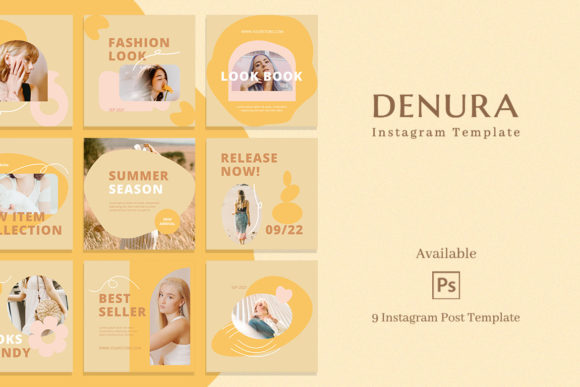
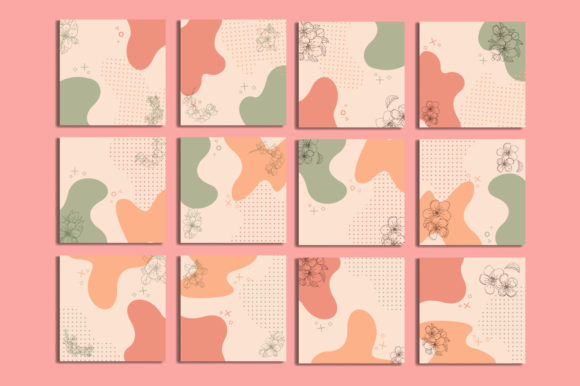
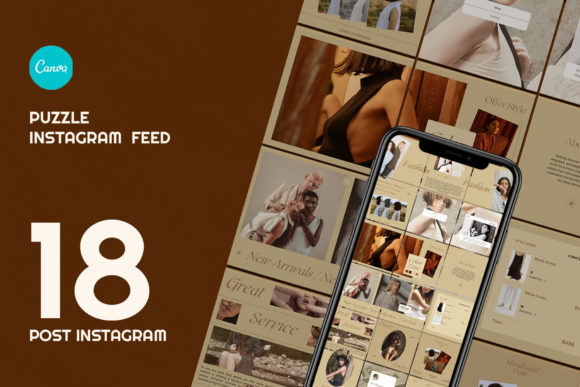
The term "Fashion Aesthetic Puzzle" refers to a specific style of Instagram grid layout where individual posts are designed to interlock visually when viewed on a profile page. Unlike standard standalone posts, these templates utilize cut-out images, overlapping elements, or continuous background patterns that span across multiple squares. The Fashion Aesthetic Puzzle Instagram CAN template typically arrives as a PDF containing a link to a Canva project. Inside, users find pre-designed square posts sized at 1080×1080 pixels, the standard resolution for Instagram.
What distinguishes this particular template is its focus on the "fashion aesthetic." This implies a curated look characterized by minimalist typography, neutral or trending color palettes, and ample white space that allows product photography to take center stage. The "puzzle" aspect suggests that the designs are modular; they can be rearranged or combined to create a larger narrative across the grid. Because the file is hosted on Canva, it leverages a cloud-based design platform known for its user-friendly interface, making advanced graphic design accessible to non-designers.
Key Features and Customization Capabilities
One of the primary reasons creators evaluate this template is its balance between structure and flexibility. The package usually includes a single PDF with a direct access link to the Canva workspace. Once opened, the user gains access to layers that are fully editable. This means that every element—from the font family and size to the hex codes of the colors and the placement of graphic shapes—can be modified.
It is important to note that images are not included in the download. This is a standard practice for premium templates, as it allows the buyer to insert their own proprietary photography. This separation ensures that the final output is unique to the brand rather than a generic copy-paste job used by thousands of other accounts. The ability to easily switch out graphic elements allows a business to align the template with their existing branding guidelines. For instance, a streetwear brand might swap a serif font for a bold sans-serif and change the palette from pastels to monochrome, while a luxury lingerie brand might do the opposite.
Benefits for Content Creators and Brands
The decision to invest in a template like the Fashion Aesthetic Puzzle Instagram CAN often stems from a need for efficiency. Creating a puzzle grid from scratch requires precise measurements and an eye for spatial composition. If one image is off by a few pixels, the entire grid illusion breaks. Using a pre-made template eliminates the technical guesswork, allowing the creator to focus on curation and caption writing.
Furthermore, these templates promote visual consistency. In the fashion niche, trust is built through aesthetics. A disjointed feed can signal a lack of professionalism. By using a unified set of design elements, brands can ensure that their latest post looks like it belongs alongside posts from months ago. This consistency helps in establishing a recognizable visual identity, which is crucial for brand recall. Additionally, the 1080×1080 px format ensures that images appear crisp on all devices, maintaining the high-resolution standards expected in the fashion industry.
Tradeoffs and Considerations
While the benefits are significant, there are tradeoffs to consider before purchasing. The most notable limitation is the reliance on the user's own photography. Since the template does not include images, the final result is only as good as the photos uploaded. If a brand lacks high-quality, consistent lighting or styling in their photography, even the best template cannot fully salvage the aesthetic. Users must be prepared to invest time in photo editing or shooting to match the template's sophistication.
Another consideration is the learning curve associated with Canva itself. While generally intuitive, users unfamiliar with layering, grouping, or exporting settings may initially struggle to achieve the desired export quality. There is also the constraint of the "puzzle" format itself. These grids often require posting in a specific sequence to maintain the visual flow. If a brand needs to post breaking news or a time-sensitive promotion that doesn't fit the visual theme, it can disrupt the carefully planned grid. This rigidity can be a hurdle for accounts that prioritize spontaneity over curation.
Ideal Use Cases
This template is a strong fit for several specific scenarios. It is particularly valuable for fashion boutiques launching new collections where showcasing multiple items in a cohesive spread enhances the perceived value of the line. It is also ideal for personal stylists and influencers who need to maintain a polished portfolio but lack the time to design every post from scratch. Additionally, marketing agencies managing multiple fashion clients can use these templates to scale production while ensuring each client retains a distinct look through customization.
Situations where the Fashion Aesthetic Puzzle Instagram CAN excels include seasonal lookbooks, sale announcements that require a unified banner effect across the grid, and brand storytelling campaigns where visuals need to flow seamlessly from one post to the next.
When to Consider Alternatives
Conversely, there are situations where alternatives may be more appropriate. If a brand's strategy relies heavily on user-generated content (UGC) which varies wildly in style and quality, a rigid puzzle template might clash with the authentic, raw feel of the photos. In such cases, a simpler frame template or a collage maker that accommodates varied aspect ratios might be more practical.
Additionally, if a team requires real-time collaboration with complex version control or needs to integrate directly with enterprise asset management systems, a standalone Canva template might feel limited compared to a full-scale design suite like Adobe Creative Cloud, despite the latter's steeper learning curve. Finally, for accounts that post multiple times a day with diverse content types (memes, text-only quotes, reels covers), a strict puzzle grid can become a logistical bottleneck.
Making the Decision
Ultimately, selecting the right design tool comes down to aligning resources with goals. The Fashion Aesthetic Puzzle Instagram CAN offers a compelling middle ground between hiring a professional graphic designer and attempting DIY design with no guidance. It provides the structural integrity of a professional layout with the autonomy of self-editing.
Before committing, potential users should audit their current photo library. Do you have enough high-quality images to fill a grid? Are you willing to adhere to a posting schedule that maintains the visual puzzle? If the answer is yes, this template can significantly elevate an Instagram presence. If the priority is speed and flexibility over grid perfection, a more modular, non-puzzle set of templates might serve better. By weighing these factors, fashion professionals can determine if this specific aesthetic tool is the right catalyst for their social media growth.